

La via della luce
L’Italia guida il progetto per il primo computer quantistico fotonico europeo


Stavolta parliamo del computer quantistico fotonico che potrà nascere dal progetto europeo EPIQUE, guidato dall’Italia, ma anche di NATO, del World Economic Forum e del caso del fantasma quantistico italiano (ovvero di milioni di euro che diventano invisibili).
Eccoci con la seconda uscita di Quantum dots, la prima ha avuto un successo oltre le aspettative. Un super grazie a chi sta seguendo, speriamo di mantenere le aspettative. Ora mi attendo anche la vostra partecipazione, se arriverete alla fine vedrete che di questioni da discutere ce ne sono molte.
E luce fu…
Spesso noi giornalisti quando parliamo di computer quantistici sorvoliamo un aspetto tecnico ma decisamente importante. Quello della tipologia di quanti usati per far funzionare la macchina, il tipo di qubit.
Per definizione i quanti non sono un qualcosa di specifico, una particella in particolare, ma sono una quantità elementare discreta e indivisibile di un qualcosa. Di quanti ne esistono molti, lo sono i neutrini, gli elettroni, i fotoni ma anche oggetti ‘complessi’ come un atomo purché non interagisca con altro e conservi le sue proprietà quantistiche.
Proprio per questa aleatorietà dei quanti una delle grandi questioni per chi lavora ai computer quantistici è: quale quanto scegliere per conferirgli la funzione di qubit? Qual è il quanto migliore?
Una risposta netta non c’è, anzi ogni fisico ti darà una risposta differente perché ogni tipo di quanto ha dei vantaggi e degli svantaggi, e chi ha scelto una strada difficilmente la mette in discussione accettandone i limiti. Talvolta sul tema sembra di essere davanti a una questione religiosa piuttosto che scientifica…
Nella prima uscita di Quantum dots ci siamo dilungati sui qubit logici sviluppati dall’Università di Harvard, in collaborazione con ricercatori del MIT, NIST e l’azienda QuEra Computing Inc., in quel caso si trattava di atomi freddi, detti anche atomi di Rydberg. Alcuni grandi player come IBM e Google hanno scelto la tecnologia dei superconduttori, di fatto in quel caso i qubit sono elettroni.
Questa volta parleremo di fotoni, quanti di luce.
Superconduttori Vs. Fotoni: 1-3
Come detto, non c’è una risposta (ad oggi) su quali siano i quanti migliori, ognuno di essi ha dei pro e dei contro e chi ha scelto una strada può averlo fatto perché la ritiene quella migliore, su cui in futuro è convinto di poter più facilmente risolvere le attuali limitazioni. Oppure semplicemente può essere una questione di opportunità: anche se non è il quanto migliore hanno già competenze e tecnologie adatte allo scopo.
I fotoni sono uno dei tanti possibili candidati qubit.
Finora, forse l’applicazione più nota dei fotoni è nelle comunicazioni quantistiche, sono i quanti ideali, ad esempio, per le fibre ottiche o per trasferire informazioni via satellite come dimostrato già da vari lavori. In questo settore i fotoni sono praticamente lo standard e presto anche l’Italia avrà la sua prima rete quantistica denominata Quid (qui un articolo da Formiche) coordinato da Davide Calonico INRiM - Istituto Nazionale di Ricerca Metrologica e parte della European quantum communication infrastructure (#Euroqci).
Meno noti forse sono i computer fotonici. Ma c’è un dato di partenza su cui riflettere: ben 3 delle 4 dimostrazioni (almeno quelle pubblicate) di quantum supremacy (o advantage, che risulta un termine più neutro) sono arrivate proprio da computer quantistici che usano fotoni. Il più noto, e primo, caso di quantum supremacy, ossia la dimostrazione di poter eseguire un processo di calcolo più rapidamente rispetto a un computer tradizionale, è stato quello del 2018 fatta da Google con un computer quantistico a super conduttori ma subito dopo e con meno clamore analogo traguardo è stato superato altre 3 volte. Ogni volta usando computer fotonici: il primo nel 2020 da un gruppo guidato da Chao-Yang Lu Jian-Wei Pan dell’Università di Scienza e Tecnologia a Hefei, il secondo nel 2021 ancora da un gruppo cinese usando il computer Jiuzhang 2.0, poi nel 2022 dall’azienda canadese Xanadu.
Giusto per completezza di informazione, l’innovativo chip di QuEra di cui avevamo parlato nell’ultima uscita non ha raggiunto la quantum supremacy. Va detto però che ad oggi una nuova dimostrazione di quantum supremacy non rappresenta più forse un obiettivo di interesse su cui investire risorse. Arrivare quinti nel dimostrare di essere avere un chip efficiente nel fare un calcolo fine a sé stesso potrebbe essere considerata solo una dimostrazione leziosa, persino controproducente a livello di immagine.

Una sfida Epique
Ma torniamo ai chip fotonici… se hanno dimostrato ben 3 volte di essere super allora vuol dire che sono i migliori? Può darsi di si, ma anche di no. Come detto, nella scelta dei quanti ci sono vere e proprie tifoserie, difficile trovare obiettività. Secondo i tifosi ‘non fotonici’, questi primi successi sono stati solo un fuoco di paglia, un traguardo insignificante rispetto alla vera partita che inizierà adesso dove – per arrivare a computer capaci di risolvere problemi grossi usando migliaia di qubit – i fotoni saranno ricordati come un semplice giocattolino entry level.
Però non è detto che sia davvero così: c’è chi crede invece che i fotoni possano essere il futuro, un futuro molto più pratico ed economico delle maxi macchine hi-tech a superconduttori che lavorano a -200 gradi.
Di certo si può dire che i computer fotonici hanno finora dimostrato limiti nella scalabilità, nel senso che al crescere della quantità di qubit i problemi di gestione del rumore (che annulla l’utilità dei qubit) aumentano in modo ingestibile. Un conto è fare un computer fotonico con pochi qubit e dimostrarne l’efficacia su problemi creati ad hoc, altro è arrivare a chip con migliaia di fotoni. A questo si aggiunge il dubbio, secondo alcuni, sulla velocità computazionale, in altre parole il tempo che ci vuole per eseguire le operazioni.
Problemi non di poco conto ma d'altronde tutte le attuali tecnologie hanno ancora grossi ostacoli da superare… Perché allora non esplorare meglio le potenzialità del fotonico?
E’ quello che ha deciso di fare l’Europa nell’ambito della Quantum Flagship con EPIQUE, European Photonic Quantum Computer. Un progetto appena avviato con 10.340.000 di euro dalla Commissione Europea guidato da Fabio Sciarrino della Sapienza Università di Roma e che vede coinvolti 8 partner di 12 paesi, tra cui CNR IFN, Università degli Studi di Firenze Single Quantum QUBIG GmbH Quandela NKT Photonics University of Vienna Centre national de la recherche scientifique NASK INL - International Iberian Nanotechnology Laboratory.
Come detto, i computer fotonici hanno già dimostrato più volte di avere ottime prestazioni e hanno punti di forza davvero importanti, ad esempio una bassa decoerenza dei qubit che permette di minimizzare la perdita dell’informazione, una semplice infrastruttura che non richiede di operare a temperature vicine allo zero come nei processori a superconduttori e una naturale integrazione con i sistemi di comunicazione a fibra ottica per la creazione di reti. Tuttavia, il loro sviluppo è rimasto ancora a livello prototipale ed EPIQUE punta a mettere insieme il meglio tra aziende e ricerca fotonica europea per sviluppare 3 diversi prototipi dimostrativi di computer quantistici fotonici a decine di qubit. Obiettivo finale: aprire la strada verso una più ambiziosa piattaforma quantistica di oltre 1.000 qubit.
Confesso di essere di parte, ma sarebbe bello se la strada della luce si dimostrasse realmente promettente. Lascio ora voi eventuali commenti e integrazioni sul dibattito dei pro e contro di ogni tecnologia.
Il caso del fantasma italiano
Chiudiamo la pubblicazione di gennaio segnalando un po’ di cose interessanti avvenute negli ultimi giorni
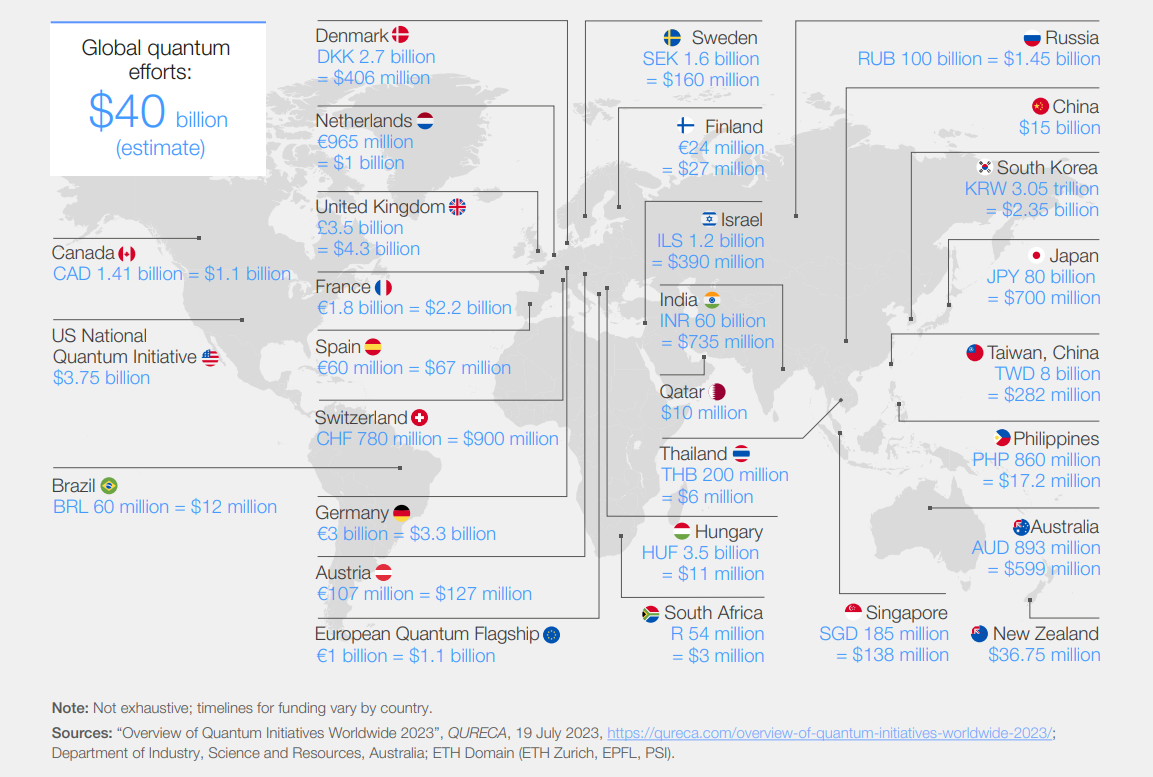
Partiamo dalla NATO che ha presentato un suo rapporto sulle tecnologie quantistiche e sottolinea soprattutto la necessità che tutti i suoi membri si attivino al più presto – seriamente – sulla sicurezza post quantum. Tutti gli attuali sistemi di sicurezza per proteggere documenti, ad oggi inviolabili, potrebbero essere violati dai futuri algoritmi e computer quantistici. Anche se dovessero passare anni prima che il nemico raggiunga quel traguardo bisogna, secondo la NATO, pensare già a sistemi di protezione adeguati perché dati trafugati oggi, ad esempio il disegno tecnico di un nuovo aereo, nonostante siano al momento inviolabili non lo saranno più tra pochi anni. Dati strategici mantengono il loro valore per anni e anni, sarebbe un grosso errore sentirsi inviolabili.
Infine, una cosa piuttosto importante: World Economic Forum ha pubblicato un interessantissimo Quantum Economy Blueprint, realizzato da IBM e SandboxAQ, che passa in rassegna le varie politiche nazionali e internazionali nel quantum sottolineando l’importanza di aumentare gli investimenti in educazione e formazione per non restare vittima di un gap disastroso. Indovinate l’Italia come si inserisce in tutto questo? Praticamente non pervenuta. A livello di governo l’Italia non ha praticamente investito nulla, un fantasma. In realtà l’Italia ha investito diverse decine di milioni di euro nel quantum soprattutto attraverso i finanziamenti europei ma ciononostante non compare nei radar internazionali. Esistono ad oggi decine di gruppi che nel nostro paese lavorano sul quantum ma si ha la sensazione, sottolineata in modo evidente dal report, che non ci sia un’unitarietà che indirizzi in modo coerente gli sforzi e si presenti agli occhi internazionali in modo unitario. Almeno questa è la sensazione che se ne trae (e possibile spiegazione della non presenza italiana), cosa ne pensate?
Segnalazioni utilissime
Per questo mese mi fermo qui ma per chi fosse interessato a sapere tutto, davvero tutto, quel che succede nel mondo del quantum vi consiglio di seguire Sergio Gago e la sua fantastica newsletter Quantum Pirates (in inglese) settimanale con tutte le principali notizie del settore tra cui l’importante accordo da 300 milioni tra Honeywell e Quantinuum.
Assolutamente super è anche il gruppo BeQuantum su LinkedIn e Instagram , in italiano, con brevi e ottimi post su curiosità e notizie, tra cui la sintesi della roadmap presentata pochi giorni fa da QuEra, che usa gli atomi freddi e punta a realizzare un processore a 100 qubit logici entro 2 anni.
Quantum Dots è una newsletter gratuita per orientarsi e comprende quel che sta avvenendo nell’incredibile nuovo mondo delle tecnologie quantistiche. Parla di computer, comunicazioni, sensori, algoritmi, sensori, economia, etc., tutto declinato nel mondo Quantum. E’ una newsletter per informare in modo completamente libero… Se ti piace inoltrala e promuovila sui social! Quantum Dots vive di passaparola.
ENGLISH VERSION

The path of light
Italy leads the project for Europe's first photonic quantum computer
This time we talk about the photonic quantum computer that may arise from the European EPIQUE project, led by Italy, but also about NATO, the World Economic Forum and the affair of the Italian quantum phantom (meaning millions of euros becoming invisible)
Here we are with the second issue of Quantum dots, the first one was a success beyond expectations. A super thank you to those who are following, we hope to keep up expectations. Now I also expect your participation, if you reach the end you will see that there are many topics to discuss.
And there was light...
Often when we journalists talk about quantum computers we pass over a technical but very important aspect. About the kind of quanta used to run the machine, the kind of qubits.
By definition, quanta are not a specific object, a peculiar particle, but are a discrete and indivisible elementary quantity of something. There are many quanta, neutrinos, electrons, photons, but also 'complex' objects such as an atom as long as it does not interact with anything else and retains its quantum properties.
Precisely because of this aleatory nature of quanta, one of the big questions for those working on quantum computers is: which quantum to choose in order to give it the qubit function? What is the best quantum?
There is no clear-cut answer, in fact each physicist would give you a different answer. Each type of quantum has advantages and disadvantages, and those who have chosen one path rarely question it by accepting its limitations. Sometimes on this topic seems to be a religious question rather than a scientific one...
In the first issue of Quantum dots, we dwelled on the logic qubits developed by Harvard University, in collaboration with researchers at MIT, NIST and the company QuEra Computing, in that case they were cold atoms, also known as Rydberg atoms. Some big players such as IBM and Google have chosen superconductor technology, in that case actually qubits are electrons.
This time we will talk about photons, quanta of light.
Superconductors Vs. Photons: 1-3
As said, there is no answer (to date) as to which quantum is the best, each has its pros and cons, and those who have chosen one path may have done so because they believe it is the best one, where they are convinced they can more easily solve current limitations in the future. Or it may simply be a matter of convenience: even if it is not the best one, they already have skills and technologies that are suitable for the purpose.
Photons are one of many possible qubit candidates.
So far, perhaps the best known application of photons is in quantum communications, they are the ideal quanta in, for example, optical fibers or for transferring information via satellites as various works have already shown. In this sector, photons are practically the standard and soon Italy too will have its first quantum network called Quid (https://formiche.net/2023/06/consorzio-italiano-alla-guida-del-progetto-quid/) as part of the European quantum communication infrastructure (Euroqci). Less well known perhaps are photonic computers. But there is a starting point to consider: 3 of the 4 demonstrations (at least those published) of quantum supremacy (or advantage, which is a more neutral term) have come from quantum computers using photons. The best-known, and first, case of quantum supremacy, the demonstration of being able to perform a computational process faster than a traditional computer, was the one made by Google in 2018 (https://blog.research.google/2019/10/quantum-supremacy-using-programmable.html) with a superconducting quantum computer. Soon afterwards and with less fanfare, a similar milestone was surpassed 3 more times. Each time using photonic computers: the first in 2020 by a group led by Chao-Yang Lu Jian-Wei Pan of the University of Science and Technology in Hefei (https://www.scientificamerican.com/article/light-based-quantum-computer-exceeds-fastest-classical-supercomputers/), the second in 2021 by another Chinese group using the Jiuzhang 2.0 computer (https://journals.aps.org/prl/abstract/10.1103/PhysRevLett.127.180502), then in 2022 by the Canadian company Xanadu (https://www.nature.com/articles/d41586-022-01402-x).
Just for the sake of completeness, the innovative QuEra Computing Inc. chip we talked about in the last issue did not achieve quantum supremacy. However, it must be said that as of today, a new demonstration of quantum supremacy is perhaps no longer a target of interest in which to invest resources. Coming fifth in demonstrating that you have a chip that is efficient at doing computation for its own sake could only be considered a leesy demonstration, even counterproductive in terms of image.
An Epique Challenge
But let's get back to the photonic chips... if they have proven themselves three times over to be superb, does that mean they are the best? Maybe yes, but also no. As said, in the choice of quanta there are fans, and it is difficult to find objectivity. According to the 'non-photonics' fans, these early successes were just a flash in the pan, an insignificant achievement compared to the real game that will now begin where - in order to get to computers capable of solving big problems using thousands of qubits - photons will be remembered as a mere entry-level toy.
There are those who instead believe that photons could be the future, a future that is much more practical and economical than the hi-tech superconducting maxi-machines operating at -200 degrees.
It can certainly be said that photonic computers have so far demonstrated limitations in scalability, meaning that as the number of qubits increases, the problems of managing noise (which cancels out the usefulness of the qubits) increase unmanageably. One matter is to make a photonic computer with a few qubits and demonstrate its effectiveness on problems created ad hoc, quite another is to arrive at chips with thousands of photons. Added to this there is the doubt, according to some, about the computational speed, in other words the time it takes to perform the operations, and at last to make the photonic chips programmable.
No small problem, but then again, all current technologies still have major obstacles to overcome... So why not better explore the potential of photonics?
That is what Europe has decided to do as part of the Quantum Flagship with EPIQUE, European Photonic Quantum Computer (https://www.uniroma1.it/it/notizia/al-epique-sviluppare-il-computer-quantistico-fotonico-europeo). A project that has just been launched with €10,340,000 from the European Commission, carried out by 18 partners from 12 countries and led by Fabio Sciarrino of the Sapienza University of Rome. Among them CNR IFN, Università degli Studi di Firenze Single Quantum QUBIG GmbH Quandela NKT Photonics University of Vienna Centre national de la recherche scientifique NASK INL - International Iberian Nanotechnology Laboratory.
As mentioned, photonic computers have already proven time and time again that they perform very well and have very important strengths, e.g. a low decoherence of the qubits that allows information loss to be minimized, a simple infrastructure that does not require them to operate at near-zero temperatures as in superconducting processors, and a natural integration with fiber-optic communication systems for networking. However, their development has remained at the prototype level and EPIQUE aims to assemble the best of European companies and photonics research to develop three different demonstration prototypes of photonic quantum computers with tens of qubits. Ultimate goal: to pave the way towards a more ambitious quantum platform of more than 1,000 qubits.
I confess to being biased, but it would be nice if the road to light proved to be really promising. I now leave any comments and additions to the debate of the pros and cons of each technology to you.
The affair of the Italian ghost
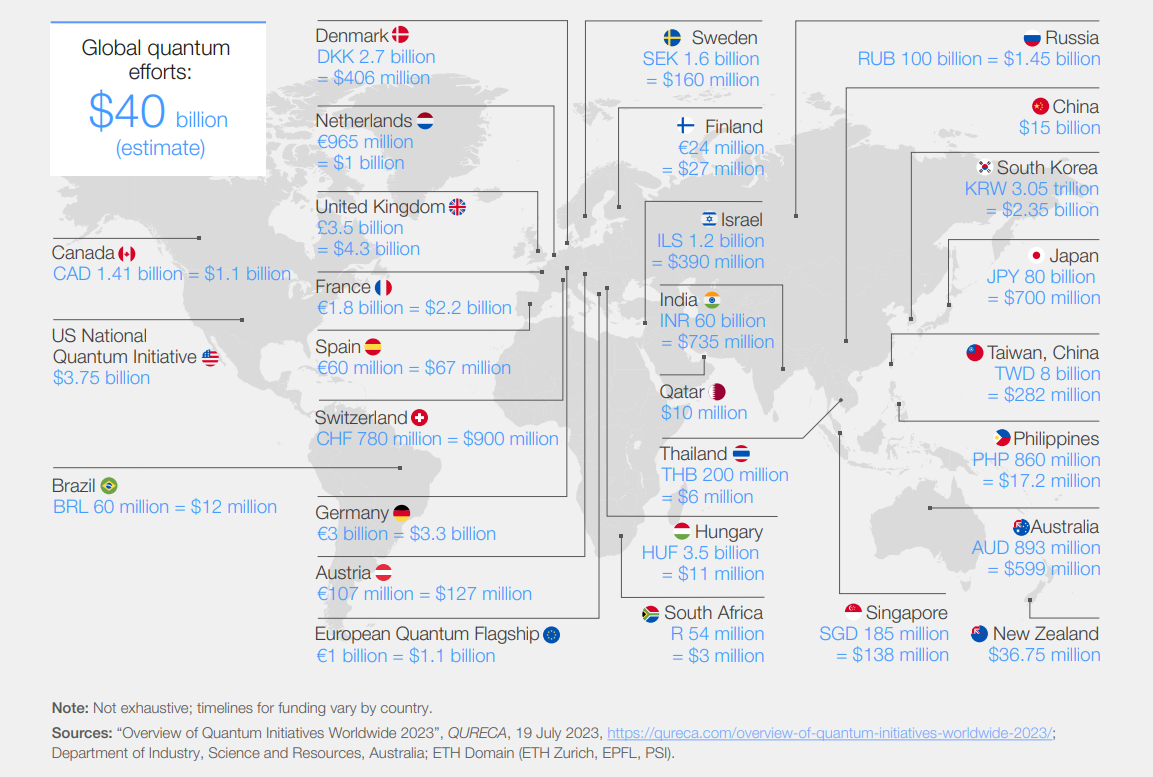
We close the January issue by pointing out a few interesting things that have happened in the last few days
Let us start with NATO, which presented its report on quantum technologies (https://www.nato.int/cps/en/natohq/official_texts_221777.htm) and emphasized above all the need for all its members to take action as soon as possible - seriously - on post-quantum security. All current security systems to protect documents, which to date are inviolable, could be breached by future quantum algorithms and computers. Even if years should pass before the enemy reaches that point, NATO believes that adequate protection systems should already be in place because data stolen today, e.g. the technical drawing of a new aircraft, despite being inviolable at the moment, will no longer be inviolable in a few years' time. Strategic data retain their value for years and years, it would be a big mistake to feel inviolable.
Lastly, something rather important: the World Economic Forum has published a very interesting Quantum Economy Blueprint (https://www.weforum.org/publications/quantum-economy-blueprint/), produced by IBM and SandboxAQ , which reviews the various national and international policies in the quantum field, emphasizing the importance of increasing investment in education and training so as not to fall into a disastrous gap. Guess how Italy fits into all this? Practically none. At government level, Italy has invested practically nothing, a ghost. In fact, Italy has invested several tens of millions of euro in the quantum, mainly through European funding, but nevertheless it does not appear on the international radar. To date, there are dozens of groups working on quantum in our country, but there is a feeling, which is clearly underlined by the report, that there is no unity that addresses efforts in a coherent manner and presents itself to international eyes in a unified manner. At least this is the feeling we get (and a possible explanation for the Italian non-presence), what do you think?
Useful tips
I'll stop here for this month but for those interested in knowing everything, really everything, that goes on in the quantum world I suggest you follow Sergio Gago and his fantastic weekly newsletter Quantum Pirates (in English) with all the major news in the industry including the important 300 million deal between Honeywell and Quantinuum.
Absolutely super is also the BeQuantum group on LinkedIn (https://www.linkedin.com/company/bequantum/) and Instagram (https://www.instagram.com/bequantum.it/) , in Italian, with short and excellent posts on curiosities and news, including the summary of the roadmap presented a few days ago by QuEra, which uses cold atoms and aims to realise a 100-qubit logic processor within 2 years.
Quantum Dots is a free newsletter to navigate and understand what's new in the incredible new world of quantum technologies. It speaks about computers, communications, sensors, algorithms, economics, etc., all declined in the Quantum world. It is a newsletter to inform in a completely free way... If you like it forward it and promote it on social media! Quantum Dots lives by word of mouth.